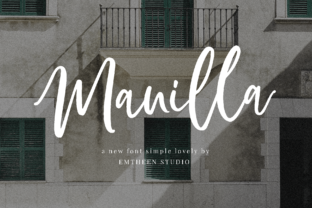
Manilla Script: A Modern Typeface for Cohesive Brand Identity
As a small business owner, I have learned that branding is not just about having a logo; it is about creating a consistent visual language that customers can trust. One of the most impactful decisions I made for my brand was selecting the right typeface. After testing several options, I found that Manilla Script from the Script Amp collection offers the perfect balance of elegance and approachability. It is a simple script-style font that adds a modern touch to any design without overwhelming the viewer.
In this guide, I will share how Manilla Script can help your business look more professional, recognizable, and trustworthy across real-world touchpoints. Whether you are designing product labels, social media graphics, or website headers, this creative font can elevate your brand identity significantly.
Understanding the Personality of Manilla Script
Before diving into applications, it is important to understand what makes Manilla Script unique. Unlike overly ornate calligraphy fonts that can be difficult to read, Manilla Script is designed with simplicity in mind. It has a clean, flowing structure that mimics natural handwriting but maintains a polished finish. This makes it feel both personal and professional—a crucial combination for businesses trying to build relationships with their audience.
The mood of this font is warm, inviting, and contemporary. It does not feel stiff or corporate, nor does it feel chaotic or messy. Instead, it strikes a balance that works well for brands that want to appear accessible yet high-quality. When you use Manilla Script, you are signaling to your customers that you care about details and aesthetics. This subtle cue can increase perceived value, especially in industries like beauty, food, and lifestyle where presentation matters immensely.
Real-World Applications for Small Businesses
One of the biggest challenges entrepreneurs face is maintaining consistency across different materials. Manilla Script solves this by being versatile enough to work in various contexts. Here is how I have seen it transform everyday business assets:
- Product Labels and Packaging Design: For handmade goods, such as candles, soaps, or baked treats, Manilla Script adds a premium feel. The flowing lines complement organic shapes and textures, making the packaging look cohesive and thoughtful.
- Social Media Graphics: On platforms like Instagram and Pinterest, text overlays need to grab attention quickly. Using Manilla Script for headlines or quotes creates an immediate visual hierarchy. It stands out against busy backgrounds while remaining legible on mobile screens.
- Website Visuals and Banners: In web design, first impressions count. Using this font for hero section titles or navigation accents can set a sophisticated tone for your online store. It pairs beautifully with ample white space, allowing the typography to breathe.
- Marketing Collateral: From flyers to business cards, Manilla Script helps create a memorable impression. A well-designed business card with this font suggests that the business owner values quality and attention to detail.
I also recommend using it for thank-you cards included in shipments. A handwritten-style font feels personal and grateful, enhancing the unboxing experience and encouraging customer loyalty.
Strategic Font Pairing for Maximum Impact
A common mistake I see among new business owners is using too many decorative fonts. To keep your brand identity clean, it is essential to pair Manilla Script with complementary typefaces. The goal is to balance readability with style.
Since Manilla Script is a display font with expressive qualities, it works best when paired with a neutral sans serif font or a classic serif font. Here are two practical pairing strategies:
- Script and Sans Serif: Pair Manilla Script with a clean, geometric sans serif for body text. This combination is ideal for e-commerce sites, menus, and informational brochures. The sans serif ensures that long paragraphs are easy to read, while the script adds flair to headings.
- Script and Serif: For a more traditional or luxury feel, pair Manilla Script with an elegant serif font. This works wonderfully for boutique fashion brands, wedding planners, or high-end cafes. The contrast between the flowing script and structured serifs creates a timeless aesthetic.
By limiting your font choices to two or three types, you ensure that your marketing materials look unified. Consistency builds recognition, and recognition builds trust.
Readability and Practical Considerations
While Manilla Script is visually appealing, it is crucial to use it wisely. As a creative font, it is best suited for short texts, such as headlines, logos, or accent words. Avoid using it for long blocks of text, as this can strain the reader’s eyes and reduce engagement.
When designing for print, such as product labels or stickers, always test the font at its actual size. Some script fonts lose their character or become illegible when scaled down. Manilla Script is generally robust, but ensuring clarity on small surfaces is key to professional results. Similarly, when creating digital ads or thumbnails, check how the font renders on smaller mobile devices. If the thin strokes disappear or blur, consider increasing the weight or adding a contrasting background.
I also advise testing the font in black and white before adding colors. This helps you evaluate the shape and spacing of the letters without the distraction of color. If the font looks balanced in grayscale, it will likely perform well in full color designs.
Building Trust Through Professional Typography
Your choice of typography communicates more than you might realize. A poorly chosen font can make a business look amateurish, while a well-selected one like Manilla Script signals competence and care. Customers often judge the quality of a product based on its packaging and online presence. By investing in high-quality design assets, you are essentially telling your customers that you take your business seriously.
For service providers, such as coaches or consultants, using Manilla Script in email signatures or presentation slides can add a touch of personality without sacrificing professionalism. It humanizes your brand, making you more relatable to potential clients.
Next Steps for Implementation
If you are ready to incorporate Manilla Script into your business materials, start by downloading a preview version to test it in your specific context. Create mockups for your top three priority items—perhaps your logo, main website header, and a product label. See how it interacts with your existing colors and imagery.
Once you are satisfied with the visual result, remember to check the commercial licensing terms. Ensure that the license allows for the intended use, whether it is for physical products, digital downloads, or client work. Proper licensing protects your business and respects the designer’s rights.
Ultimately, Manilla Script is more than just a font; it is a tool for storytelling. It helps convey the mood and values of your brand in a single glance. By using it strategically alongside readable supporting fonts, you can create a cohesive visual experience that resonates with your target audience. Take the time to experiment, test, and refine your typography choices, and you will see the positive impact on your brand’s perception and growth.